|
| Welcome! |
|
Indus Organics provides certified organic products for retail and bulk wholesale. Our current products are fine organic culinary herbs, organic spices and organic seeds. Our retail package products are... ... more
|
|
|
|
 |
Order Products |
|
 |
|
|
|
Other Links |
|
|
|
|
|
News Letter |
|
|
|
|
 |
Latest News |
|
|
|
|
|
|
|
 |
 |
 |
| |
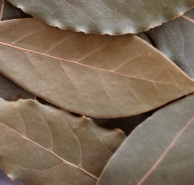
Bay Leaf Turkish |
|
|
Bay leaf (plural bay leaves) refers to the aromatic leaf of the bay laurel (Laurus nobilis, Lauraceae). Fresh or dried bay leaves are used in cooking for their distinctive flavor and fragrance. The leaves are often used to flavor soups, stews, braises and p�t�s in Mediterranean cuisine.
If eaten whole, bay leaves are pungent and have a sharp, bitter taste. As with many spices and flavorings, the fragrance of the bay leaf is more noticeable than its taste. When dried, the fragrance is herbal, slightly floral, and somewhat similar to oregano and thyme. Myrcene, which is a component of many essential oils used in perfumery, can be extracted from the bay leaf.
Packing Available:
0.5 Oz
|
|
|
|
Usage:
Bay leaves are a fixture in the cooking of many European cuisines (particularly those of the Mediterranean), as well as in North America. They are used in soups, stews, meat, seafood and vegetable dishes. The leaves also flavor many classic French dishes. The leaves are most often used whole and removed before serving. In Indian (Sanskrit name Tamaalpatra, Hindi Tezpatta) and Pakistani cuisine bay leaves are often used in biryani, other rich spicy dishes - although not as an everyday ingredient in home cuisine - and as an ingredient in garam masala. |
|
|
|
|
 |
|
 |
|
|
|
|













)

 RSS Feed