
|
|
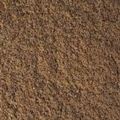
(Cinnamomum verum, synonym C. zeylanicum) is native to Sri Lanka and Southern India. The bark and powder is widely used as a spice. It is of a golden-yellow color, with the characteristic odor of cinnamon and a very hot aromatic taste. The pungent taste and scent come from cinnamic aldehyde or cinnamaldehyde and, by the absorption of oxygen as it ages, it darkens in color and develops resinous compounds. Chemical components of the essential oil include ethyl cinnamate, eugenol, cinnamaldehyde, beta-caryophyllene, linalool and methyl chavicol. We offer Ceylon Cinnamon in bark, sticks and powder forms. We don't offer Cassia.
The name cinnamon is correctly used to refer to Ceylon Cinnamon, also known as "true cinnamon" (from the botanical name C. verum). However, the related species Cassia(Cinnamomum aromaticum) is sometimes sold labeled as cinnamon, distinguished from true cinnamon as "Indonesian cinnamon". True cinnamon, using only the thin inner bark, has a finer, less dense and more crumbly texture, and is considered to be less strong than cassia. Cassia is generally a medium to light reddish brown, is hard and woody in texture, and is thicker (2-3 mm thick), as all of the layers of bark are used. Most of the cinnamon sold in supermarket in the United States is actually cassia.
The two barks when whole are easily distinguished, and their microscopic characteristics are also quite distinct. Cinnamon sticks (or quills) have many thin layers and can easily be made into powder using a coffee or spice grinder whereas cassia sticks are much harder, made up of one thick layer, capable of damaging a spice or coffee grinder. It is a bit harder to tell powdered cinnamon from powdered cassia. When powdered bark is treated with tincture of iodine (a test for starch), little effect is visible in the case of pure cinnamon of good quality, but when cassia is present a deep-blue tint is produced, the intensity of the coloration depending on the proportion of cassia.
Packing Available:
44 Lbs
|
















)
)


 RSS Feed