|
| Welcome! |
|
Indus Organics provides certified organic products for retail and bulk wholesale. Our current products are fine organic culinary herbs, organic spices and organic seeds. Our retail package products are... ... more
|
|
|
|
 |
Order Products |
|
 |
|
|
|
Other Links |
|
|
|
|
|
News Letter |
|
|
|
|
 |
Latest News |
|
|
|
|
|
|
|
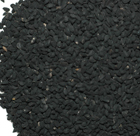
Nigella Sativa |
|
|
In English, Nigella sativa seed is variously called Black cumin, fennel flower, nutmeg flower, Roman coriander, blackseed, black caraway, or black onion seed. Other names used, sometimes misleadingly, are onion seed and black sesame, both of which are similar-looking but unrelated. The scientific name is a derivative of Latin niger "black". In English-speaking countries with large immigrant populations, it is also variously known as kalonji, kezah, chernushka, çörek otu, habbat albarakah
|
|
|
|
Usage:
In herbal medicine, Nigella sativa has hypertensive, carminative, and anthelminthic properties. They are eaten by elephants to aid digestion.
Nigella sativa has been used for medicinal purposes for centuries, both as a herb and pressed into oil, in Asia, Middle East, and Africa. It has been traditionally used for a variety of conditions and treatments related to respiratory health, stomach and intestinal health, kidney and liver function, circulatory and immune system support, and for general well-being.
In Islam, it is regarded as one of the greatest forms of healing medicine available. Prophet Muhammad once stated that the black seed can heal every disease—except death.
The seeds have been traditionally used in the Middle East and Southeast Asian countries to treat ailments including asthma, bronchitis, rheumatism and related inflammatory diseases, to increase milk production in nursing mothers, to promote digestion and to fight parasitic infections. Its oil has been used to treat skin conditions such as eczema and boils and to treat cold symptoms. Its many uses have earned nigella the Arabic approbation 'Habbatul barakah', meaning the seed of blessing. |
|
|
|
|
|
|
|











)



 RSS Feed